

Earlex Steam Generator for Wood Bending
Projects made with straight wood are cool but projects designed and built from stunning pieces of curved hardwood add another dimension. Bring your ideas to life and create new and exciting pieces of furniture with Earlex's new Steam Generator. This compact yet powerful unit works great for many wood bending projects. The electric steamer runs on standard 110vac current with built in thermal protection and also includes instructions on how to build your steam box.
I love bending wood. Its one of my favorite aspects of woodworking because it allows you to create even more interesting shapes and designs. Bending wood used to seem so scary and difficult, almost like magic. Well, after learning how it's done, I can safely say that the difficult part is merely getting your head around the idea that you can do tons of different wood bending at home.
The first type of wood bending I want to go over is steam bending. There are many ways to steam wood, but I'm going to talk about what is the safest and easiest way I have seen to do it. Here at the Infinity Tools shop, we carry the Earlex Steam Generator. This simple device is basically a wallpaper steamer with a very nice brass steam box adapter.

Looks fairly simple, right? It really is. This little device merely needs to be screwed together and filled with water and inserted into your steam box. That's it. This is so much simpler than any other way I've ever seen it done (you might need to hook up two to do large quantities or if you have a very large steam box).
I decided to make my steam box out of Schedule 40 PVC pipe as it creates a very simple solution for relatively little cost. Mine ran around $17.00 for a 1/4" dowel, some 4" PVC pipe and two end caps. I also grabbed a meat thermometer to keep track of the temperature inside the steam chamber.
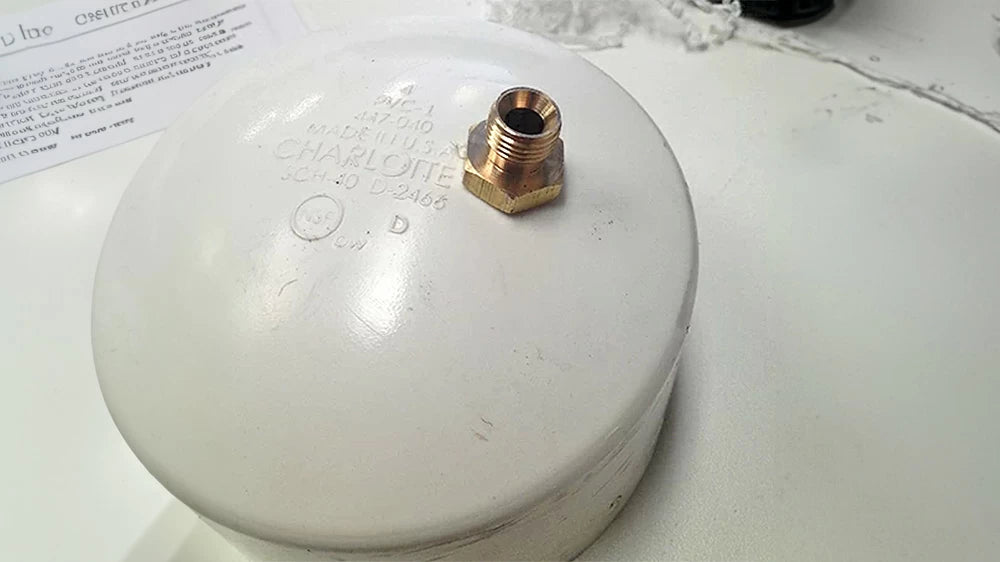
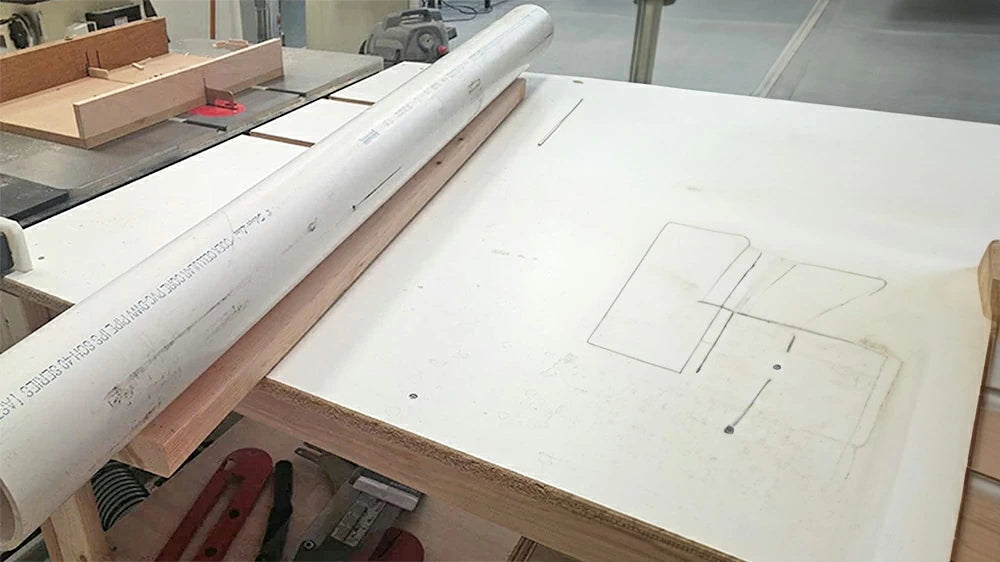

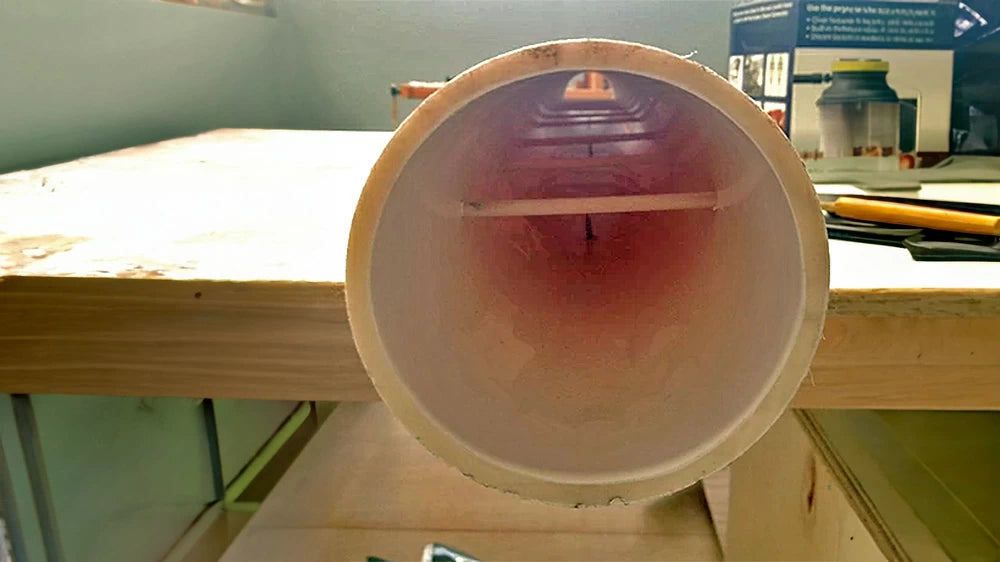
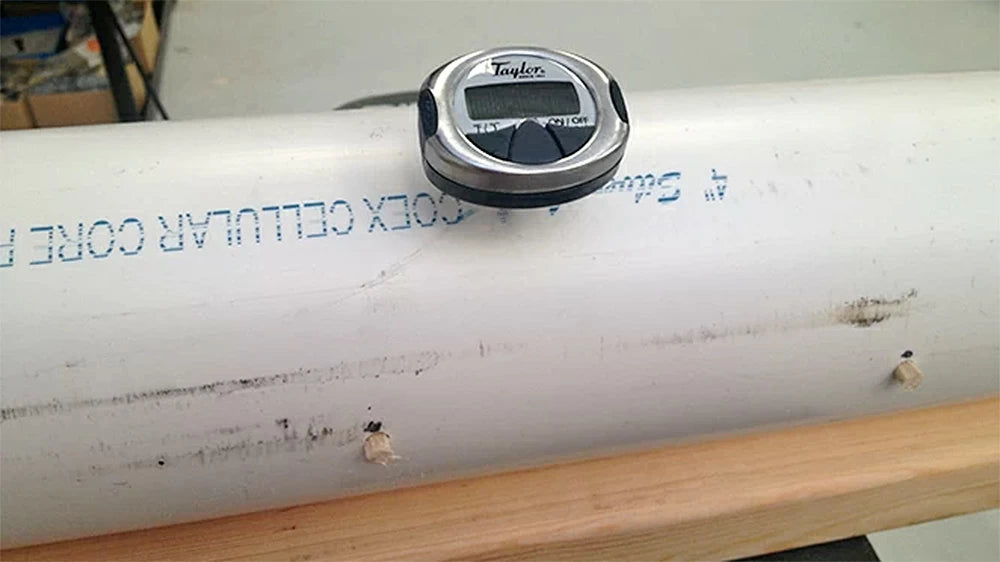
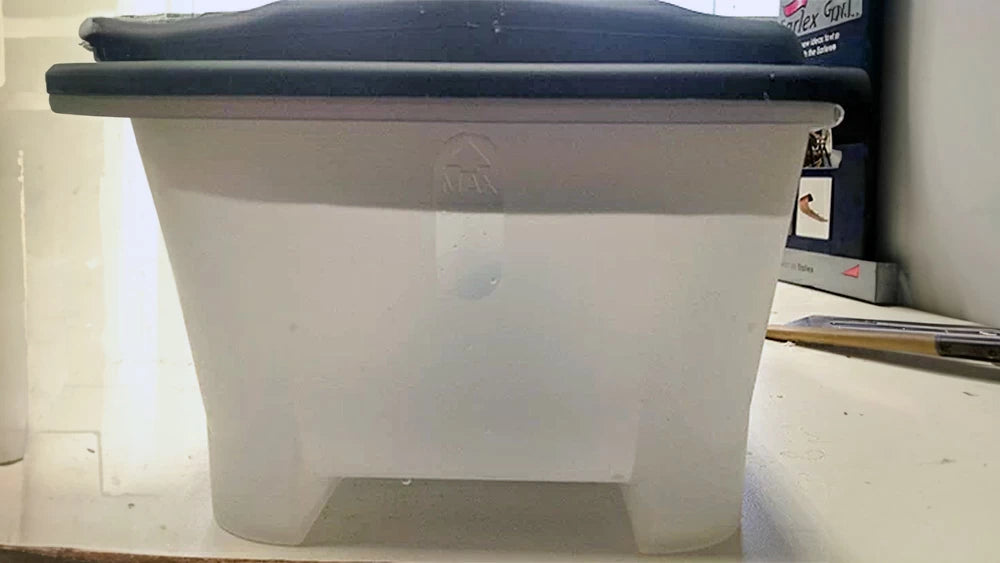

Make sure the plug and drain are set up on a downward slope. Since you don't glue the caps, if too much pressure builds up, the caps will easily pop off, preventing an explosion. Plug the Earlex in and wait for steam and heat to come.
When steaming lumber, you typically want to use air-dried or green lumber as they bend way better and with a lot less splintering and breakage than kiln-dried lumber. (I used some kiln-dried walnut on this test because I had it lying around and knew it would bend ok, just not as good as air-dried).
You want your steam box temperature to stay at or around 212°. My setup here stayed at 213° for 2 hours with no problems.
A general rule of thumb is to steam the lumber for one hour per inch of thickness. Kiln-dried lumber may take longer.
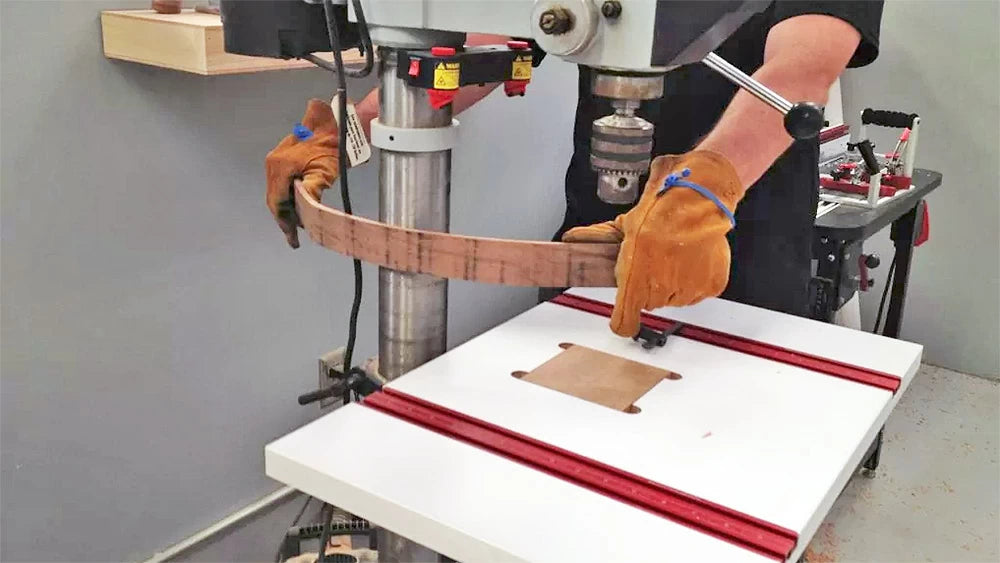
This is very hot steam making the wood very hot. When you pull the cap off the PVC or open the door of your wooden steam box, hot steam comes out. You then reach your hand in and grab very hot lumber. Wear protection.
If you're using a form to bend the wood, you'll need metal band straps over the wood or it will break and splinter as you bend it.
Oh, look, it's time to pull out my wood. I decided to bend it over the closest round form I had — my drill press.
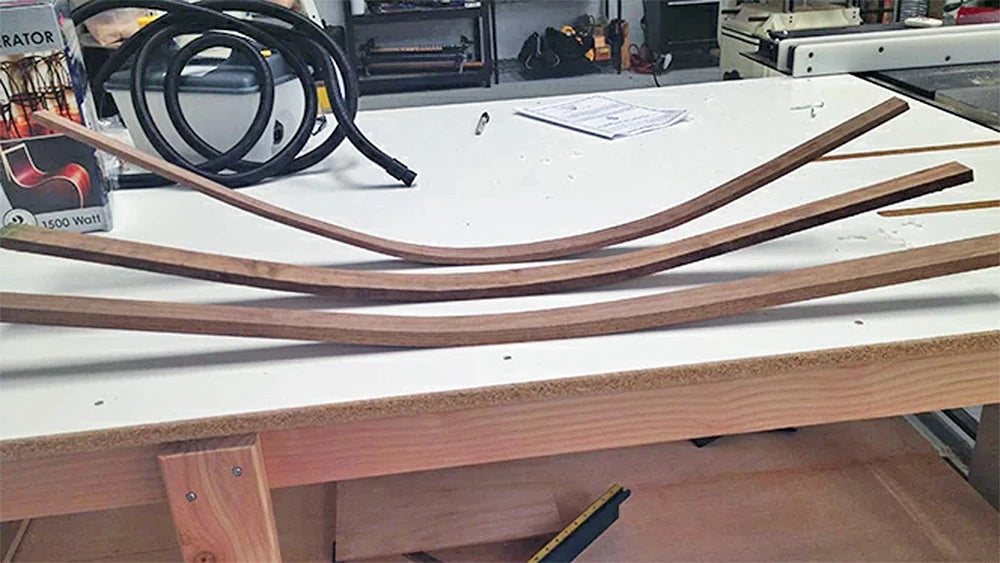
Well, that bent pretty nicely. You can see the different bend achieved by different thicknesses. Don't be afraid to experiment, steam-bending is easy with the Earlex Steam Generator and some PVC pipe.
How to Steam Bend Wood: Step by Step
- Choose straight-grained stock. Use air-dried or green wood with grain that runs the full length of the piece. Avoid knots, runout and kiln-dried lumber, which is much more likely to crack.
- Make the bending form first. Build a form from stacked plywood or MDF in the shape you want, slightly tighter than the final curve to allow for springback.
- Heat the steam box. Fill the steam generator, connect it to the box and let the box come up to about 212°F.
- Steam the wood about one hour per inch of thickness. Over-steaming can make the wood brittle rather than more flexible.
- Bend quickly. Wearing heavy gloves, move the piece to the form and bend it within a minute or two, before it cools. Use a steel bending strap on the outside of the curve to keep the fibers from splitting.
- Clamp and let it dry. Leave the piece clamped on the form until it's dry and set, at least overnight and often several days.
Best Woods for Steam Bending
| Bends well | Bends poorly |
|---|---|
| White oak, red oak, ash, hickory, elm, beech, cherry, walnut, maple | Most softwoods, mahogany, teak and other brittle or resinous woods |
Results vary from board to board, so steam a few extra pieces in case one cracks.
Steam Bending Tips
- Expect springback. Bent parts open up slightly when you take them off the form. Overbend a little, or keep the part clamped longer.
- Use a bending strap. A metal strap with end blocks keeps the outside of the bend in compression, which greatly reduces breakage on tight curves.
- Work fast and have clamps ready. Wood stiffens quickly as it cools.
- Stay safe. Steam causes serious burns. Wear gloves and eye protection, and open the box away from your face.
Steam Bending FAQ
How long do you steam wood to bend it?
About one hour per inch of thickness at around 212°F is the usual starting point.
Can you steam bend kiln-dried wood?
It's possible, but kiln-dried wood is more likely to crack. Air-dried or green wood bends much more easily.
What can I use as a steam box?
An insulated plywood box or a length of PVC pipe with end caps works well. Add dowels inside to hold the wood off the bottom so steam reaches every side, and a drain for condensation.
Get started with the Earlex steam generator for wood bending.


2 comments
What voltage 240v or 110v ?
Hi. I would like to know what is the voltage of this generator.110V or 220V? Thanks